On a house, trenchless work usually means one of four things: lining the sewer lateral with a cured-in-place liner from a cleanout, bursting a new pipe through it between two pits, combining a short dig at a sag or collapse with lining or bursting for the rest, or pulling or boring a new water service. Microtunnelling, auger boring and large directional drilling are municipal tools and rarely appear on a residential quote.
- A recorded camera inspection of the whole lateral comes before any honest method choice or price.
- Lining suits a round lateral with cracks, roots and leaks; bursting suits a broken or undersized one; neither fixes a sag.
- Ownership of the lateral is split differently by each city; confirm who owns what before you hire.
- Customer-owned sewer and water services are generally not located by one-call services such as Alberta's Utility Safety Partners.
- For a 15 to 25 m lateral, 2026 planning ranges are about $9,000 to $28,000 relined and $10,000 to $30,000 burst.
01 /Which trenchless methods show up on a house?
Out of the dozen methods in the trenchless atlas, only a handful fit the scale of a single house: a sewer lateral of 100 to 150 mm running 10 to 30 m from the foundation to the city connection, a building drain under the basement slab, and a small water service. The rest are built for streets, highways and rivers.
| Method | Used on houses for | Access | Where to read more |
|---|---|---|---|
| Full-length CIPP liner | A lateral with cracks, roots or leaking joints | Cleanout, sometimes one pit | CIPP guide on this site; SewerRelining.ca |
| Sectional liner | One or two isolated defects | Cleanout | TrenchlessSewerRepair.ca |
| Pipe bursting or splitting | Broken, collapsed in places, or undersized laterals | Pit at each end and each branch | Bursting guide; PipeBursting.ca |
| Hybrid dig plus trenchless | A sag or collapse on an otherwise sound line | One short dig plus the method's access | This page |
| Lining under the slab | Cast iron or clay building drains under the basement floor | Cleanout inside | TrenchlessSewerRepair.ca |
| Pulling, moling or mini-HDD | Water service replacement | Pits at each end | Moling and pipe pulling guide |
02 /Why does the camera decide first?
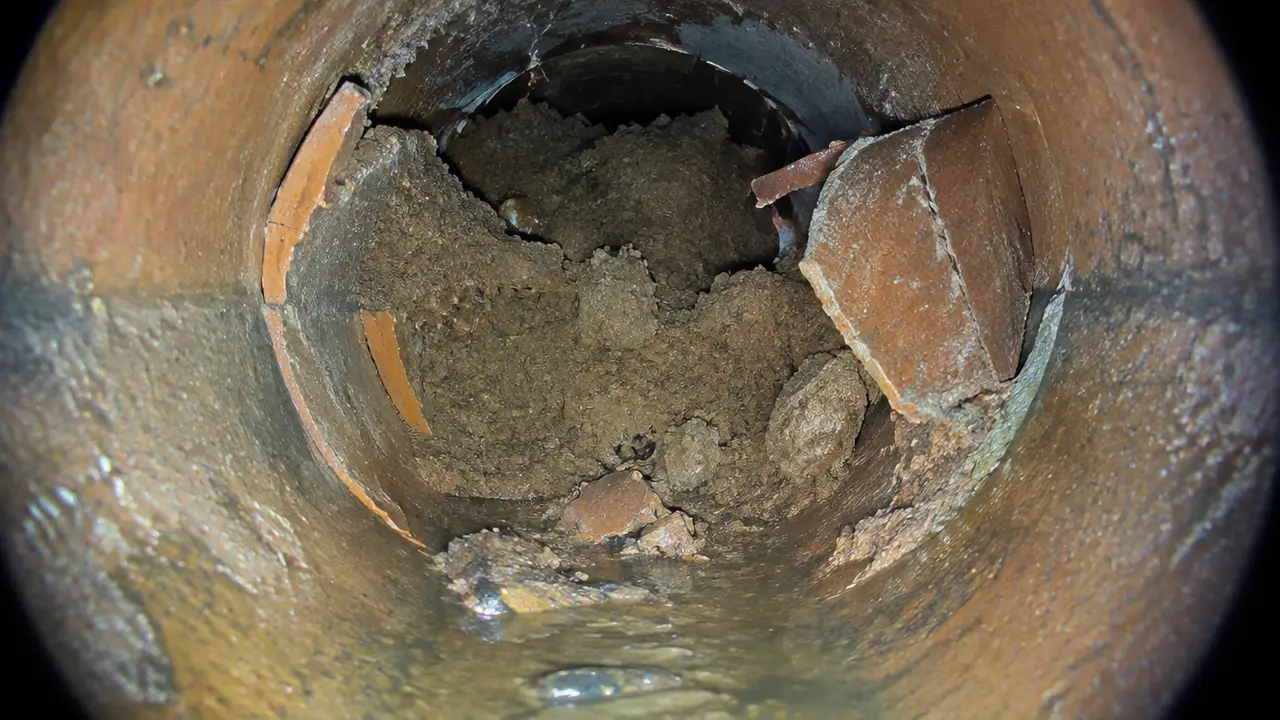
Because condition rules methods in or out before price enters the conversation. A liner needs an open, reasonably round pipe; bursting needs a path the head can pass and ground that will compress; neither changes the grade. Only a recorded camera run, with distances marked from the access point, shows which of those conditions your lateral meets.
| Finding | Lining | Bursting | Dig |
|---|---|---|---|
| Roots at joints, hairline cracks | Strong fit | Works, but replaces pipe a liner could renew | Rarely needed |
| Broken pipe, pieces missing, camera passes | Possible with a liner designed for a fully deteriorated pipe | Strong fit | Possible |
| Collapse, camera stops | Not until the collapse is dug | Sometimes | At the collapse |
| Sag holding water | Keeps the sag | Keeps the sag | At the sag |
| Pipe too small for the house | Makes it slightly smaller | Can upsize | Possible |
| Orangeburg (fibre) pipe | Often a poor host | Often crushes; ask | Possible |
The Trenchless Method Finder turns your camera findings into a shortlist with reasons. For a single defect, the spot-repair decision is covered in depth on TrenchlessSewerRepair.ca.
03 /Who owns which part of the line?
It depends on the city, and it decides who pays. Examples we verified in September 2026:
- Edmonton. EPCOR says property owners are responsible for maintaining and repairing sewer lines on their property, including a backwater valve if present, and EPCOR is responsible for the pipes from the property line to the main.
- Winnipeg. The City says property owners own the sewer pipe that serves their property from the house to the City main, including the portion under the street, and are responsible for its repair; a limited financial assistance program applies only to the part under the street for qualifying owner-occupied homes.
- Calgary. The City runs a pilot program that lines sanitary service pipes by trenchless methods; check with the City whether your connection is included and where your responsibility begins.
Other cities differ again, so call your municipality or 311 before you hire. The across Canada page collects what we could verify.
04 /What does a residential trenchless job look like?
- Inspect and locate
A recorded camera run, a locate of the lateral with a sonde, and a public locate request for gas, power and telecom lines. Private sewer and water services are usually not marked by one-call services.
- Choose and permit
The contractor proposes a method, pits and connections; many municipalities require a permit and inspection for sewer work. Confirm who applies.
- Prepare
For lining, the pipe is cleaned and roots cut. For bursting, pits are dug and branches disconnected.
- Install
The liner is inverted and cured, or the head is pulled and the new pipe follows. Drains are out of service for part of the work.
- Reconnect and verify
Branches are reopened or reconnected, and a final camera run shows the result.
- Restore
Pits are backfilled and the surface restored as the contract says.
05 /What about the drain under the basement floor?
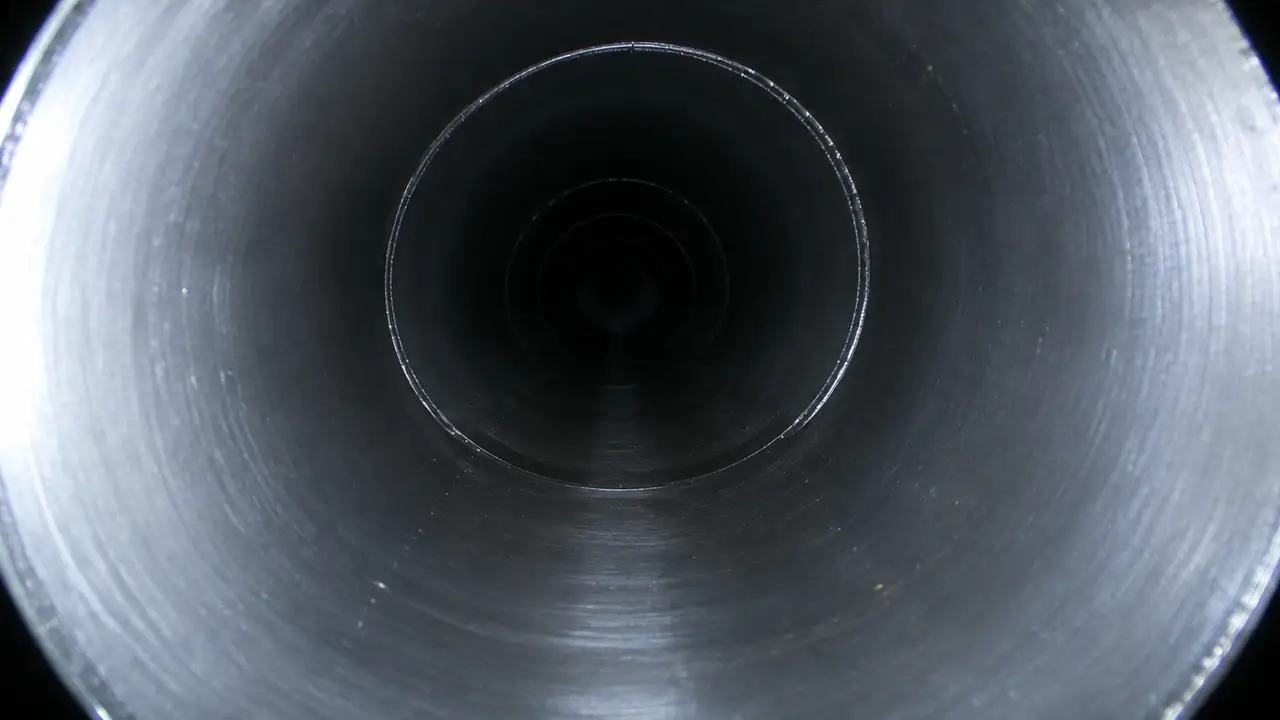
Many older Canadian homes have cast iron or clay building drains under the basement slab. When those crack or scale, the choice is between cutting the slab to replace the pipe and lining it from a cleanout. Lining avoids breaking concrete and flooring if the pipe qualifies; a collapse or sag under the slab still needs the dig. The repair decision is covered on TrenchlessSewerRepair.ca, and coatings explains when a thin epoxy film is and is not a substitute for a liner.
06 /What does residential trenchless cost?
The HAUSE Sewer network publishes these 2026 planning ranges for a house lateral of 15 to 25 m: full-length relining about $9,000 to $28,000; bursting about $10,000 to $30,000; open-cut replacement about $12,000 to $35,000 or more. A single sectional liner starts around $2,500 to $6,500, and a camera inspection with a locate is about $250 to $600. A hybrid job adds a dig at the sag or collapse, about $3,500 to $9,000 under lawn and $7,000 to $16,000 deep or under hard surfaces.
The cost guide explains each line of a quote, and the Dig vs Trenchless Disruption Calculator shows how much of your yard each option opens.
07 /What should I ask a trenchless contractor?
- Which method do you recommend, and why did you rule out the others?
- Can I have the camera video with distances, and where is the fault on it?
- For lining: what liner, resin, thickness, design condition and cure? How is each branch reopened and sealed?
- For bursting: where will every pit go, what pipe goes in, and how are branches reconnected?
- Who applies for the permit and books locates, including a private locate for the lateral?
- Which parts of the work does the written warranty cover, for how many years, and who honours it if your company closes?
- Will I get a final coded video, and what must it show?
The glossary defines the terms you will hear. When you are ready, send your footage and details and the desk will reply with next steps.
08 /Should the water service be done at the same time?
Often it is worth asking. Older homes with an ageing sewer lateral frequently have an ageing water service too, and the two usually run from the house toward the street not far apart. If pits are being dug anyway for bursting the sewer, the same excavations can sometimes serve a water service replacement by pulling or boring, sharing locates, permits and restoration.
Keep the two separate on paper. The water line needs potable-rated pipe, pressure testing and your water utility's rules at the curb stop and meter; the sewer needs its own inspection. The trenchless options for small services are in moling and pipe pulling, and water-line questions such as lead or galvanized pipe belong to WaterMainReplacement.ca.
FAQQuestions people ask
How does trenchless sewer line replacement work on a house?
Usually by lining the old lateral from a cleanout or bursting a new pipe through it between two pits. Either way, the yard between the access points is left alone.
Is trenchless sewer line replacement worth it for a house?
Often when the lateral is deep or runs under a driveway, trees or finished landscaping. On a short, shallow line under lawn, digging can be competitive.
Can a sewer line be replaced trenchless if it has a belly?
Not by lining or bursting alone, because both follow the old grade. The usual plan is a short dig at the belly and trenchless for the rest.
Do I need a cleanout for trenchless work?
Lining needs an access point, usually a cleanout. If there is none, a cleanout or a small pit is added first, which adds cost.
Can I do trenchless sewer repair myself?
It is not a realistic do-it-yourself job: permits, locates, pit safety, sewer gas and specialised equipment all apply. Hire a qualified contractor.
NETWORKGo deeper across the HAUSE Sewer network
Trenchless lining vs pipe bursting: cost, fit and trade-offs
Trenchless lining vs pipe bursting cost in Canada: 2026 CIPP and bursting ranges in CAD, line items, which defects each fixes and how to choose.
SewerRoots.caPermanent fixes for roots in sewer lines
Permanent fixes for roots in sewer lines: CIPP lining, sectional point repairs, pipe bursting and open-cut replacement compared by cost, lifespan and fit.
SewerInspector.caSewer scope inspections in Edmonton: what to expect and who to call
Sewer scope and sewer line inspection in Edmonton: what mature and newer neighbourhoods show on camera, cold and clay soils, elms, EPCOR and 311 checks.