Every way to fix a pipe without the trench.
A plain-language atlas of trenchless sewer and water methods: how each one works underground, the jobs it suits, what it still digs up, and the standards behind it.
Trenchless sewer work renews, replaces or installs buried pipe from a few access points instead of a continuous trench. Some methods line the old pipe (cured-in-place lining, slip lining, close-fit liners, coatings), some break or grind it out and pull in a new one (bursting, splitting, reaming), and some bore a brand-new path (directional drilling, auger boring, pipe ramming, microtunnelling).
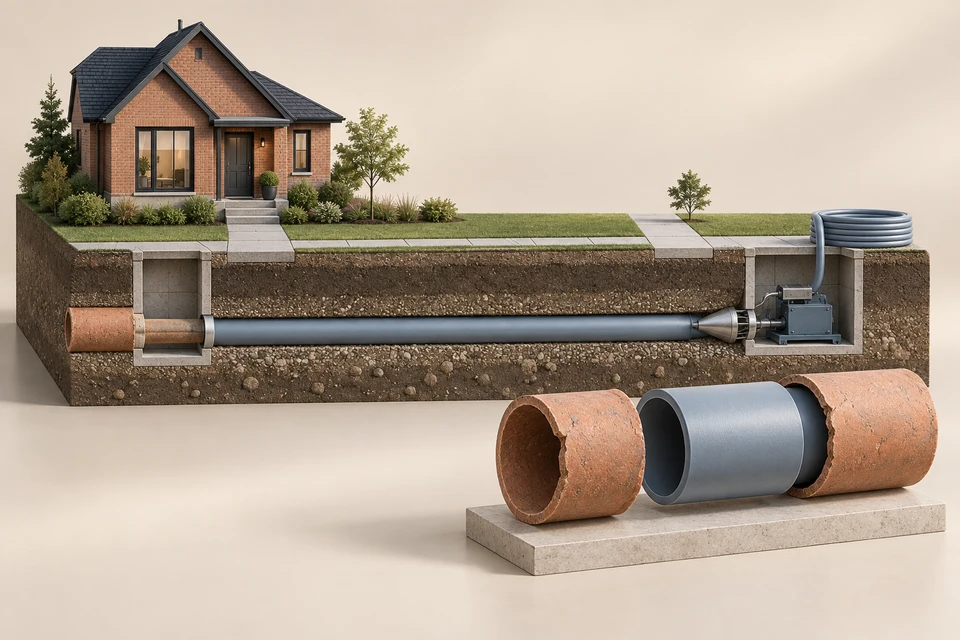
Renew one house sewer seven different ways and watch what each one digs
A lateral runs from a basement cleanout under the lawn and sidewalk to the city main under the road. Pick a method, the condition of the old pipe, its depth and length, the branches along it and what covers it, then play the job.
What the model shows, in words
One pipe, seven answers
The same 100 mm clay lateral is handled by open cut, a cured-in-place liner, an epoxy coating, slip lining, bursting, reaming, or a new line drilled on a fresh route. Each method is drawn in the same cutaway, so the differences stand out: where the crew gets in, what the tool does as it moves, and what is left underground when the job is done.
The verdict comes from the Method Finder
Every rating in the panel uses the rules published with the Trenchless Method Finder for a small clay gravity line in soft ground. Change the old pipe to a sag and lining, coating, slip lining, bursting and reaming all drop, because each follows the existing grade. Mark it too small and slip lining is ruled out while bursting stays on the shortlist.
Holes are counted, not guessed
The ground-dug figure repeats the arithmetic of the Dig vs Trenchless Disruption Calculator: a trench 0.9 m wide along the private run, against 2.5 by 1.5 m pits. Add branches and watch bursting, slip lining and reaming gain a pit at each one, while the liner reopens them from inside and keeps its count at zero.
Drilling a new path trades one problem for another
Choose the directional drill and the old lateral turns grey: it is abandoned, not reused. The new arc can dodge the sag entirely, but a dashed band shows the error a bore held to about one percent of its length can carry. On a 30 m run that band is 0.3 m each way, which is why a flat gravity sewer is a hard fit for this method.
Money appears only where it is published
For open cut, lining and bursting the panel shows a planning range built from the network's 2026 figures for a residential lateral. Coating, slip lining, reaming and drilling show "by quote" because this site does not publish residential ranges for them. Every drawing is illustrative and nothing in it is a quote.
Where does your trenchless question start?
Pick the closest match. Each path goes to the guide that answers it in full.
Trenchless Method Finder
Choose the job (renew, replace or new path), the kind of line, its diameter, run length, depth and connections, the condition and material of any existing pipe, and the ground. The finder checks every method in that family against published size, length, accuracy and ground ranges, then marks each one shortlist, possible or unlikely and gives the reasons, the access it needs and the standard to ask about.
How the Trenchless Method Finder works →
Also freeDig vs Trenchless Disruption Calculator
Compare the ground a trench digs with the pits a trenchless method needs: excavated volume, surface opened, hard surface to rebuild and tree roots cut.
Trenchless Method Finder
Read these first
Every method, side by side
Sizes, lengths, accuracy, access pits and what each method leaves in the ground, in one comparison.
CornerstoneHouses and home owners
Which trenchless methods actually show up on a Canadian house lateral or water service, and what to ask.
CornerstoneCities, campuses and crossings
How municipalities and commercial owners renew mains, trunks and road crossings without closing the street.
CornerstoneStandards and specifications
The ASTM practices, owner specifications and inspection programs that sit behind a trenchless quote.
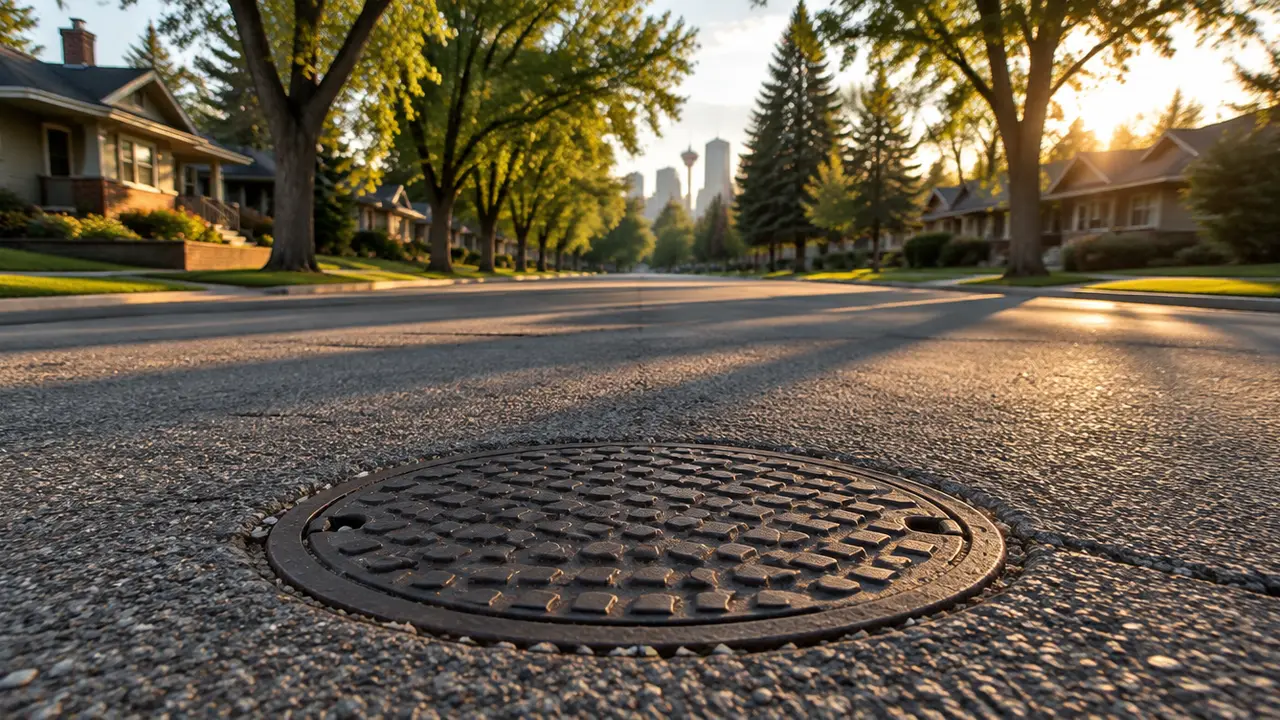
What it looks like down there
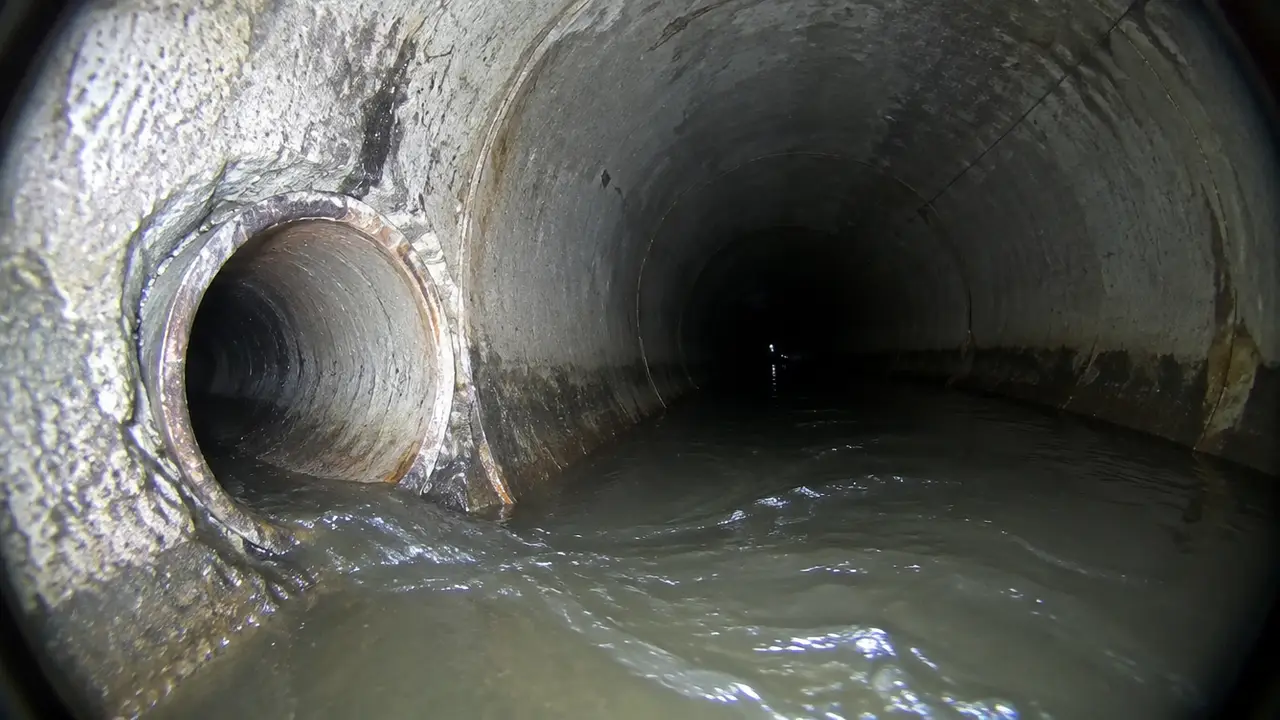
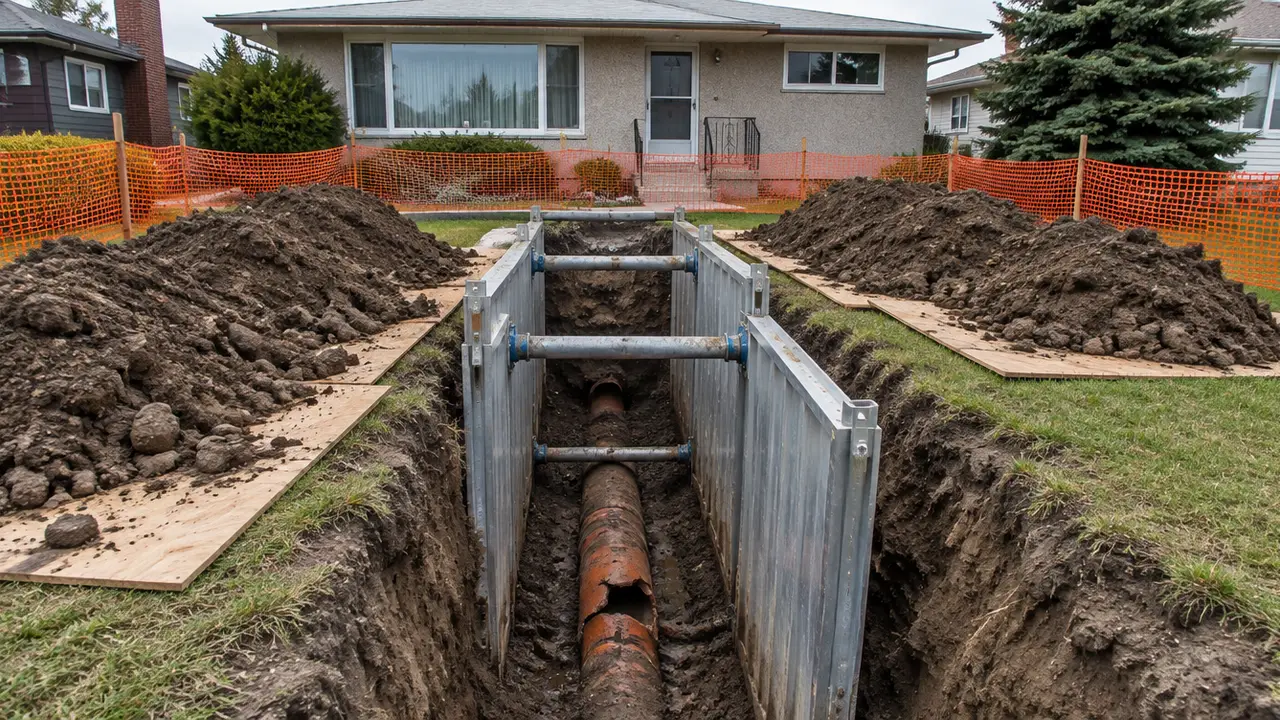
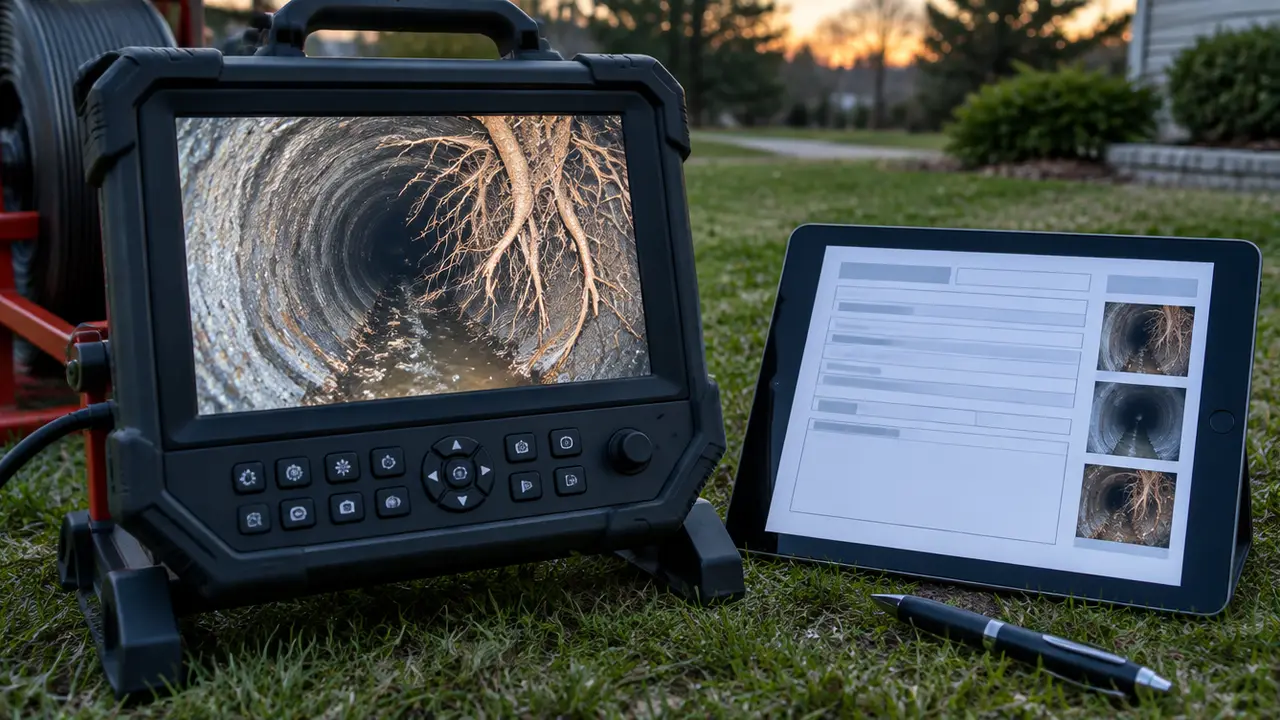
Illustrations of what this work involves and what a camera or a trained eye picks up. Every guide on TrenchlessSewer.ca carries more like these.
01 /What counts as a trenchless method?
A method is trenchless when the pipe is renewed or installed from the ends of a run, through cleanouts, manholes, pits or shafts, rather than by opening the ground along its whole length. The International Society for Trenchless Technology describes the field as installing, rehabilitating and inspecting underground utilities with minimal surface disruption. That definition covers a resin liner cured inside a house lateral and a machine tunnelling a trunk sewer under a highway, so the word on its own tells you very little about a particular quote.
Sorting methods by what happens to the old pipe is the quickest way to understand them. Renewal methods keep the old pipe and build a new wall inside it, so the bore shrinks a little and the grade stays as it was. Replacement methods destroy or remove the old pipe along its path, so the new pipe can be the same size or larger, but the route and grade still follow the original. New-path methods ignore any old pipe and bore a fresh hole, which lets the designer pick the route and depth, limited by how accurately each machine can hold line and grade. The introduction to trenchless sewer technology walks through each family with examples.
02 /Which trenchless method suits which job?
Each method has a range where it works well and edges where it struggles. The table is a first sort; the full comparison adds sizes, run lengths and accuracy figures drawn from the Iowa Statewide Urban Design and Specifications (SUDAS) design manual, which sets out each method in unusual detail.
| Method | Family | Usual job | Watch for |
|---|---|---|---|
| Cured-in-place pipe (CIPP) | Renew | Cracked, leaking or root-invaded sewers of almost any size | Sags stay; connections must be reopened |
| Slip lining | Renew | Culverts, mains and larger sewers with capacity to spare | Bore loss; each service is dug up |
| Close-fit liners | Renew | Round pipe needing a tight thermoplastic liner | Declining use in cold climates |
| Epoxy and spray coatings | Renew | Corroded metal pressure piping; some drains and manholes | A film, not a new structural pipe |
| Pipe bursting and splitting | Replace | Broken or undersized pipe, same size or larger | Heave, nearby services, sags |
| Pipe reaming | Replace | Non-metallic pipe ground out by a drill rig | Slurry handling; metal hosts |
| Directional drilling | New path | Pressure lines, services and crossings | Holding a gravity grade |
| Auger boring and pipe ramming | New path | Steel casings under roads and rail | Limited or no steering |
| Microtunnelling and pipe jacking | New path | Gravity sewers and trunks on tight grade | Shafts and cost on short drives |
To screen your own line against those limits, the Trenchless Method Finder asks for the job, pipe size, run length, depth, condition, material and ground, then marks each method as shortlist, possible or unlikely and says why. Lining itself has a deeper engineering literature, collected by our sister site SewerRelining.ca; bursting has its own at PipeBursting.ca.
03 /How much less ground does trenchless actually disturb?
It depends on how many holes the method needs, and that number is easy to underestimate. Lining from an existing cleanout may need no excavation at all. Bursting and slip lining need a pit at each end plus one at every service connection, because each connection has to be cut free and remade. Directional drilling needs room at the surface to lay out the whole pipe string before it is pulled back. Microtunnelling needs two deep shafts, which only pay off on longer drives.
The Dig vs Trenchless Disruption Calculator turns that into numbers for one run. It multiplies trench length, width and depth against the pits a chosen method needs, draws both to scale in plan, and counts the hard surface and tree roots each option disturbs. The trade-offs that do not show up in cubic metres, such as traffic, noise, dust and the time drains are out of service, are covered in trenchless vs open cut disruption.
04 /What does trenchless sewer work cost?
For a house lateral of 15 to 25 m, the HAUSE Sewer network publishes 2026 planning ranges of about $9,000 to $28,000 for full-length relining, $10,000 to $30,000 for pipe bursting and $12,000 to $35,000 or more for open-cut replacement. A single sectional liner over one defect starts around $2,500 to $6,500. Directional drilling, slip lining and microtunnelling on residential services are rare enough, or project-specific enough, that we do not publish a range; they are priced by quote or by municipal tender.
The trenchless sewer cost guide breaks a lining quote and a bursting quote into their lines and shows why two quotes for the same run can differ by thousands. For a repair-sized problem such as one cracked joint, TrenchlessSewerRepair.ca covers the spot-repair decision in depth.
05 /Who is behind TrenchlessSewer.ca?
TrenchlessSewer.ca is part of the HAUSE Sewer network, an independent information and service-request network. HAUSE is not a contractor and does not install, line, burst or drill anything. The guides lean on primary sources: ASTM standard scopes, the US EPA's fact sheets on trenchless rehabilitation, the Iowa SUDAS design manual, and Canadian municipal pages from Calgary, Toronto, Edmonton's utility EPCOR and Winnipeg. Where a figure is a planning estimate or a simplification, the page says so.
Rules differ from city to city, so the across Canada page collects what we could verify about ownership, locates and municipal trenchless programs, as checked in September 2026. Terms you meet in a quote are defined in the glossary, and short answers live in the FAQ. When you want prices for your own line, send your details and any camera footage and the desk will reply with next steps.
Every guide on TrenchlessSewer.ca
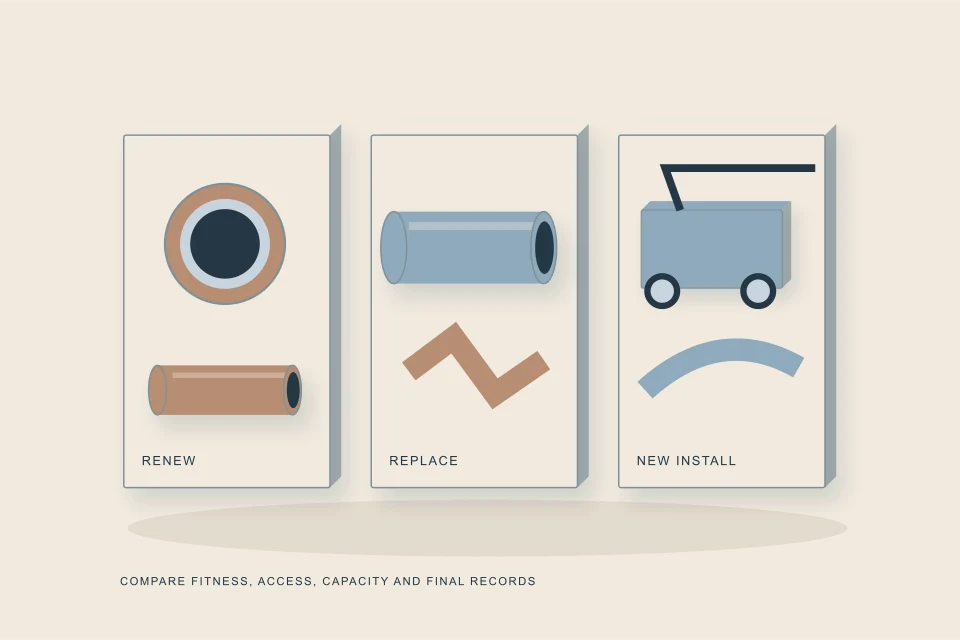
Every trenchless method compared
Trenchless pipe methods compared side by side: typical sizes, run lengths, line and grade accuracy, ground, access pits and what each leaves behind.
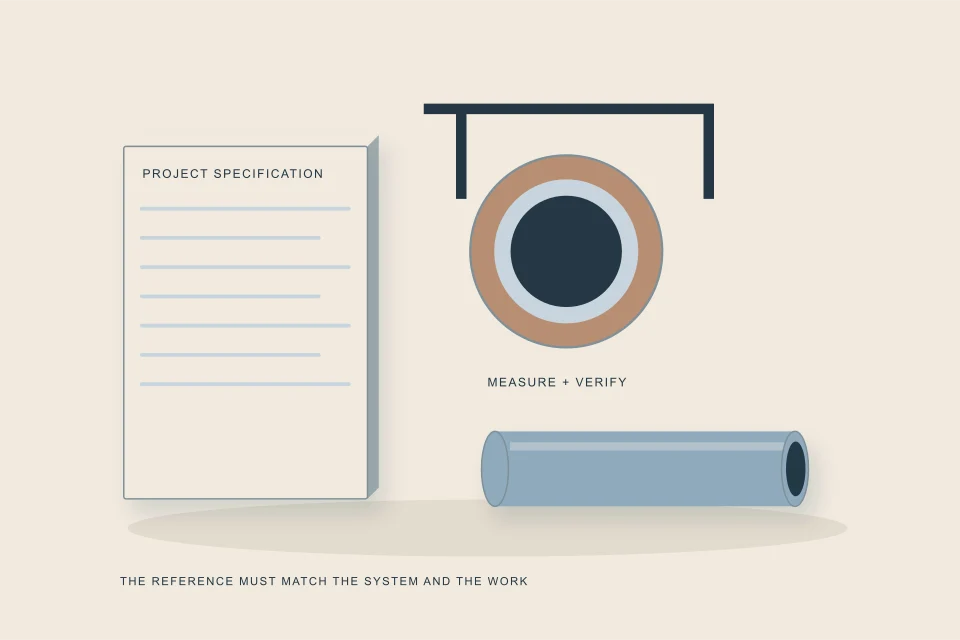
Trenchless standards and specifications: what sits behind a good quote
The standards behind trenchless pipe work: ASTM practices for CIPP, slip lining, close-fit liners, HDD and coatings, NASSCO inspection, and city specifications.
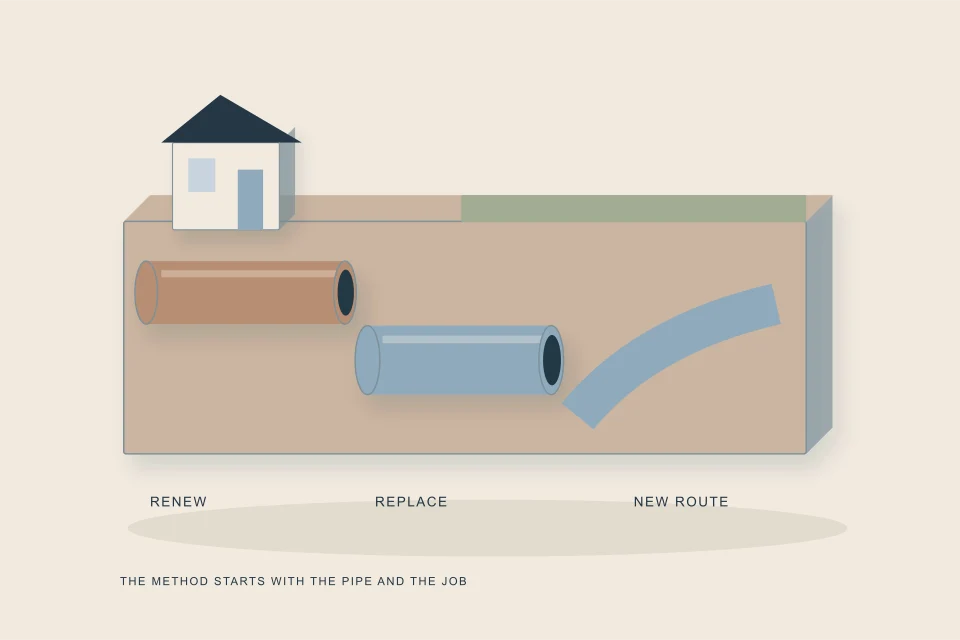
What is trenchless sewer technology?
What trenchless sewer means: renewing, replacing or installing pipe from pits and cleanouts instead of a trench, the three method families and their limits.
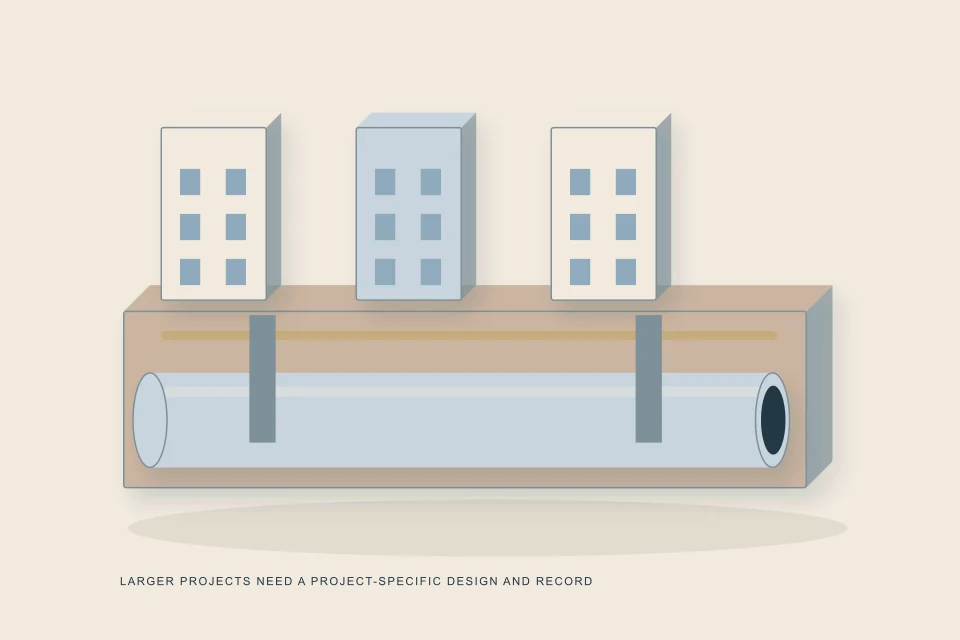
Municipal and commercial trenchless: mains, trunks, crossings and sites
How cities and commercial owners use trenchless methods for sewer mains, trunks, water mains, culverts and crossings: assessment, method choice and contracts.
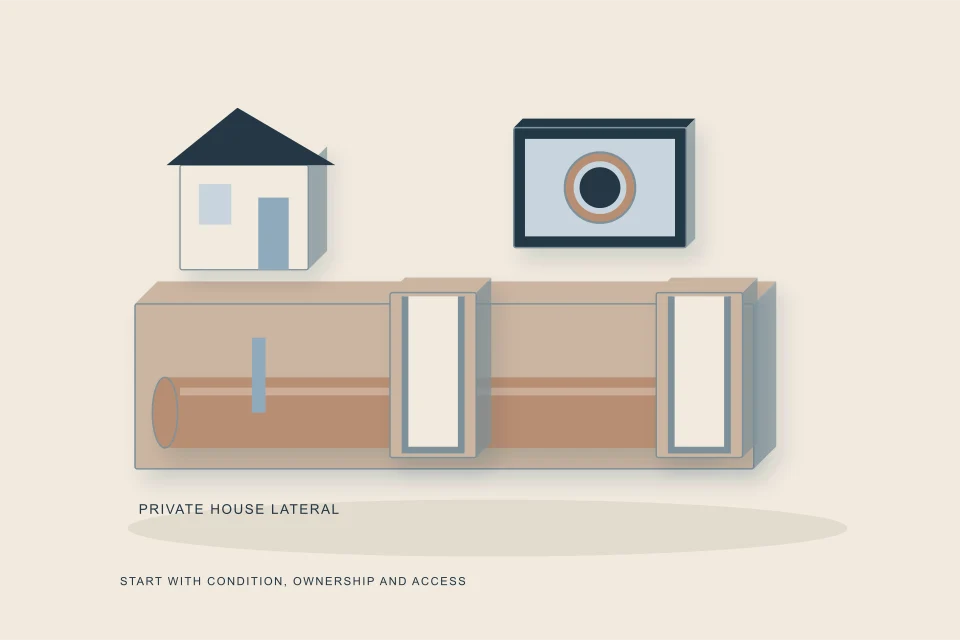
Trenchless options for a house: which methods actually fit a home
Trenchless sewer line replacement options for Canadian homes: lining, bursting, hybrid digs, drains under the slab and water services, with what to ask and costs.
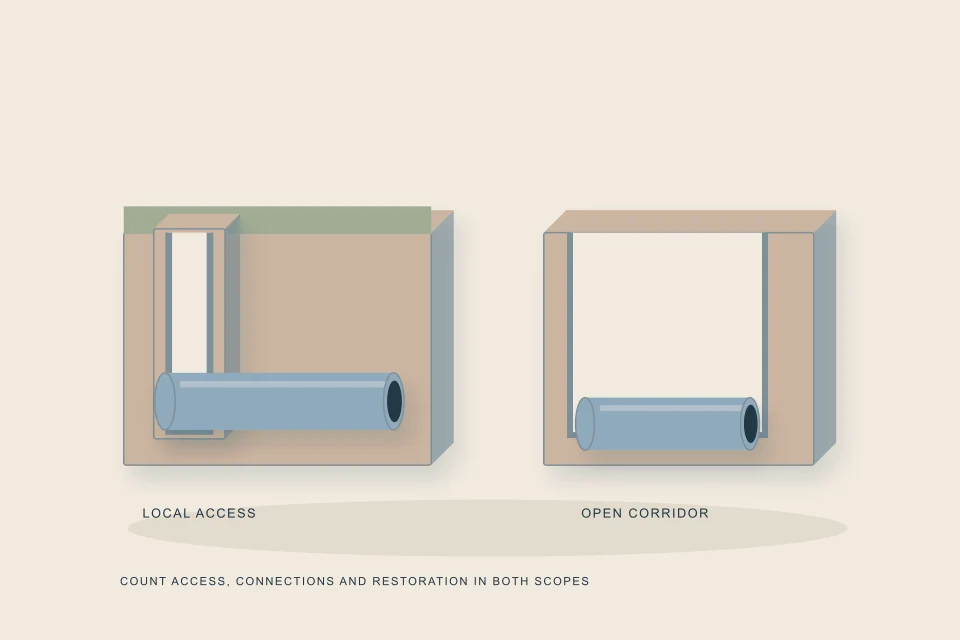
Trenchless vs open cut: what each one really disrupts
Trenchless vs trenching for sewer and water lines: ground opened, traffic, trees, noise, odour, settlement, safety, time out of service and cost, compared.
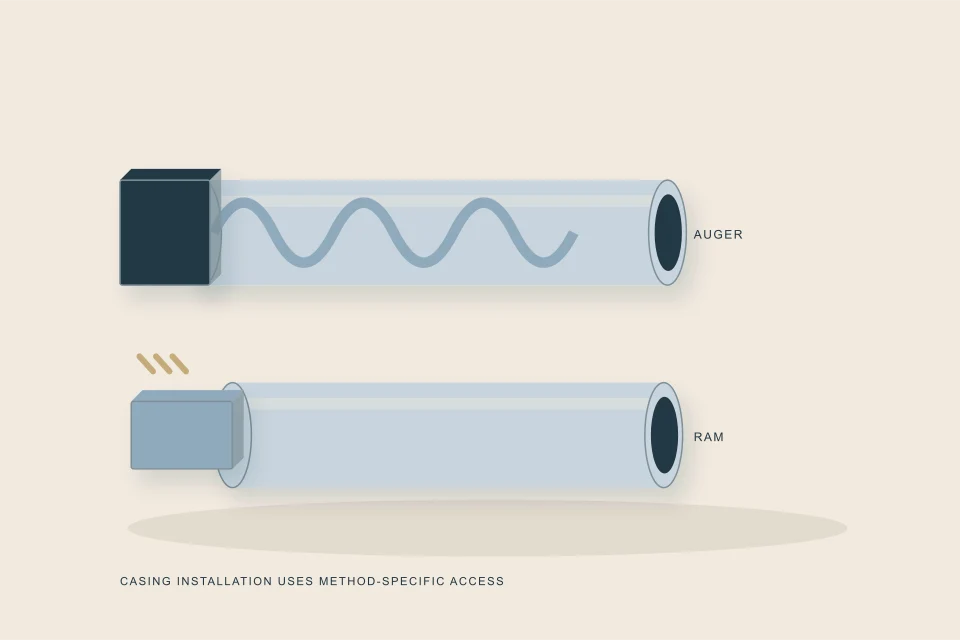
Auger boring and pipe ramming: driving a casing under the road
How auger boring and pipe ramming install steel casings under roads and rail: bore pits, sizes, lengths, accuracy, ground limits and carrier pipes.
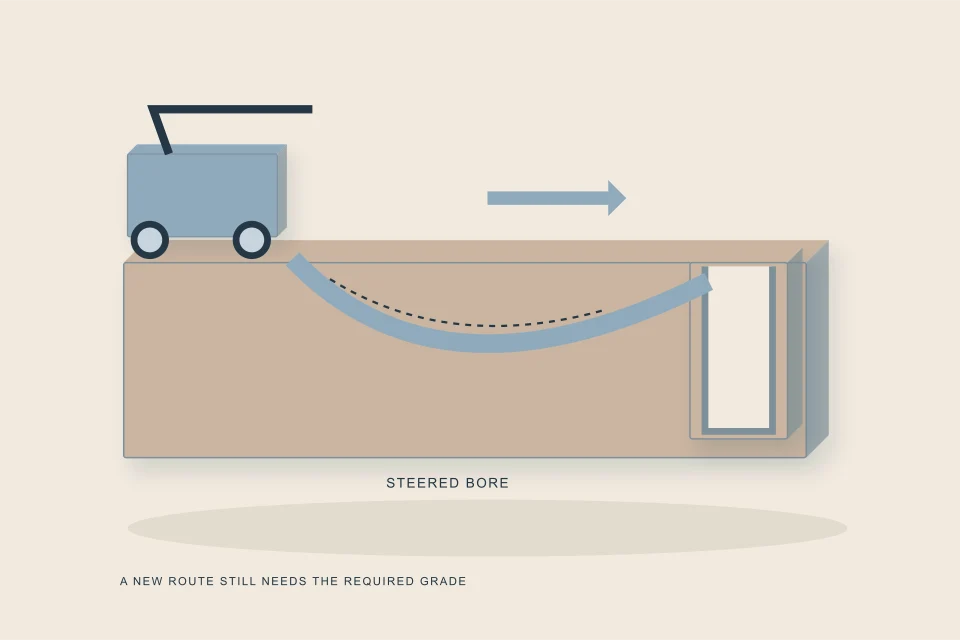
Directional drilling for sewer lines: where it works and where grade gets in the way
Horizontal directional drilling for sewer lines explained: pilot bore, reaming, pullback, accuracy, gravity sewers vs force mains, frac-out and heave risks.
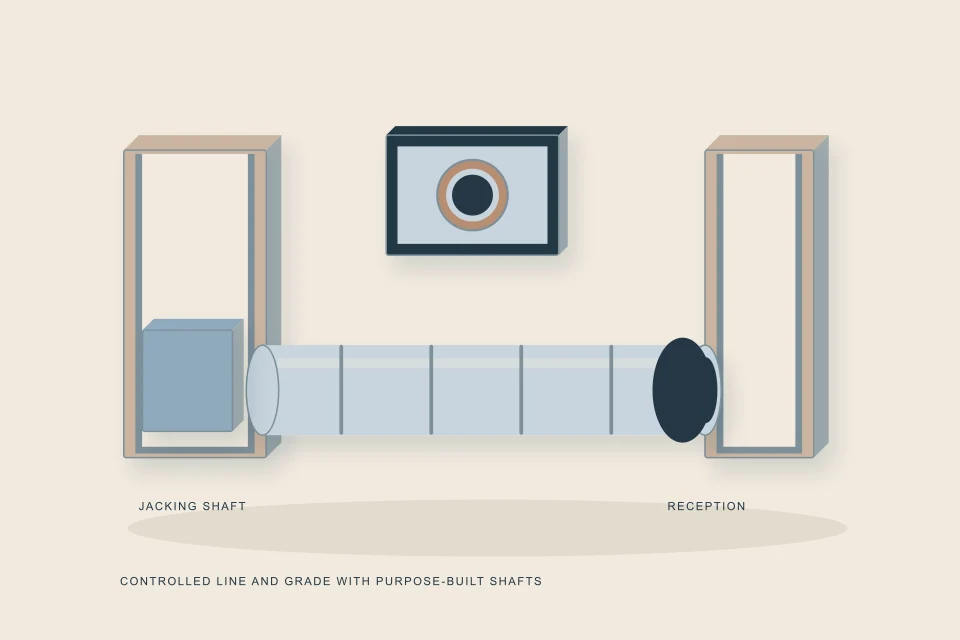
Microtunnelling and pipe jacking: building gravity sewers on tight grade
How microtunnelling and pipe jacking work: jacking shafts, laser-guided boring machines, slurry spoil removal, sizes, accuracy, and Canadian sewer projects.
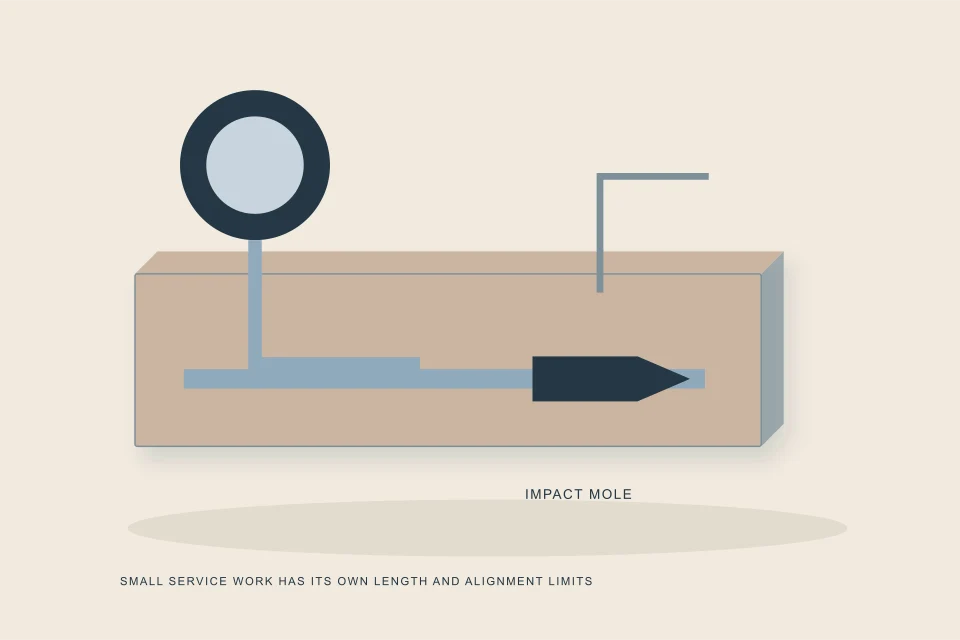
Moling, pulling and small bores: trenchless options for small service lines
Trenchless water service replacement and small bores explained: impact moling, push rods, pipe pulling and splitting, mini directional drilling, and limits.
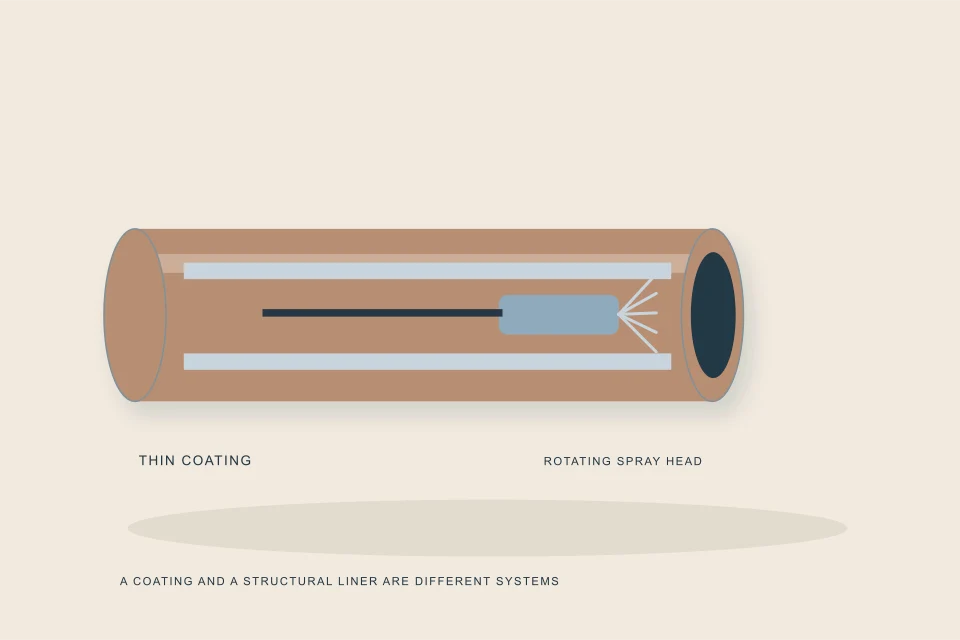
Epoxy and spray-applied pipe coatings: films, not new pipes
Trenchless epoxy pipe coating and spray-applied linings explained: blown-in epoxy for metal piping, sprayed polymers and mortar for manholes, and their limits.
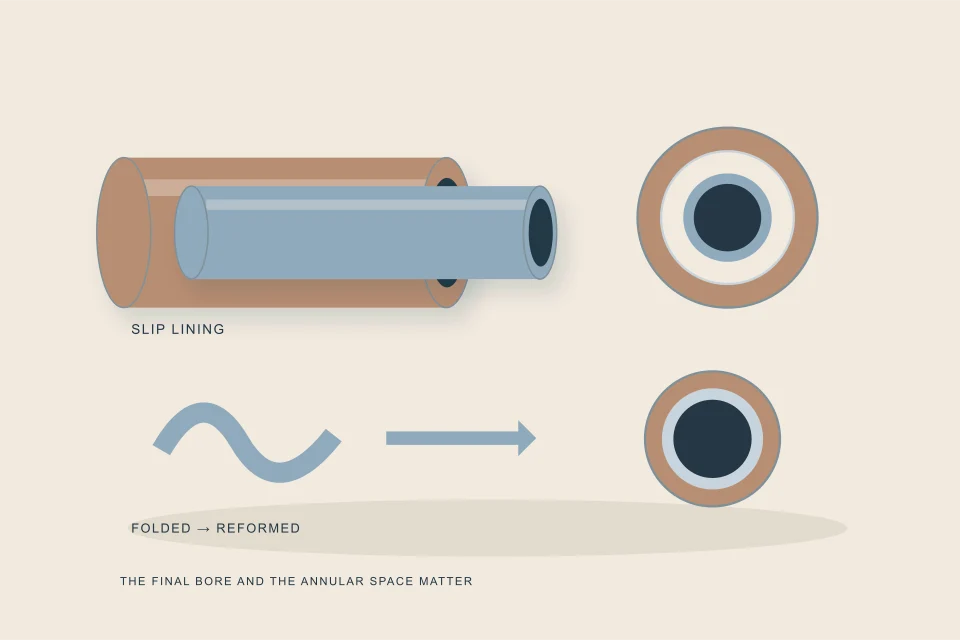
Slip lining and close-fit liners: a new pipe inside the old one
What slip lining is and how it works: continuous HDPE, segmental and spiral-wound liners, grouting the annulus, reconnecting services, and close-fit liners.
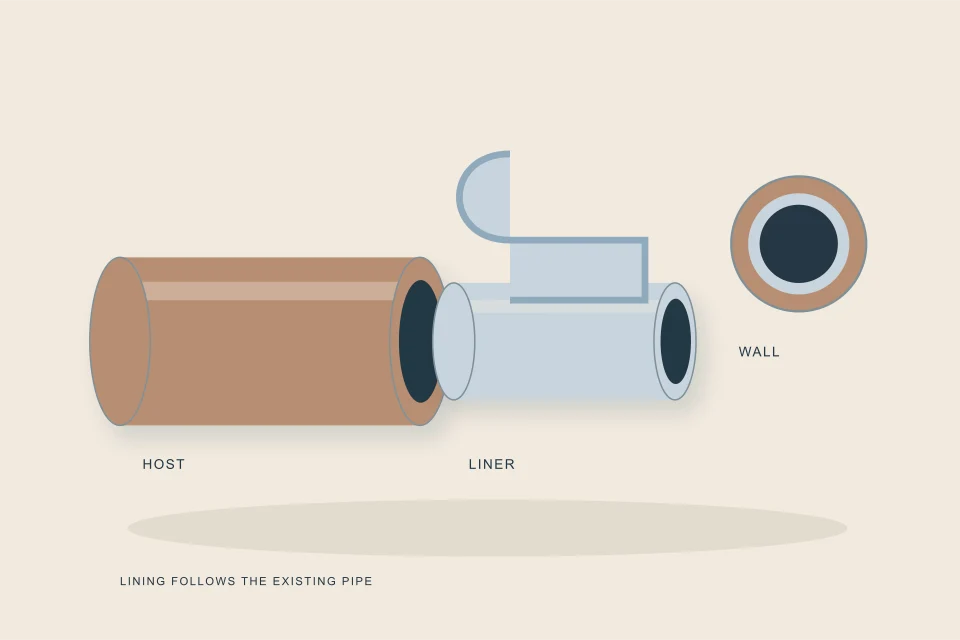
Trenchless pipe lining (CIPP) in the trenchless family
How trenchless pipe lining with cured-in-place pipe works: inversion, pull-in and UV liners, the ASTM practices, sewers vs water mains, limits and cost.
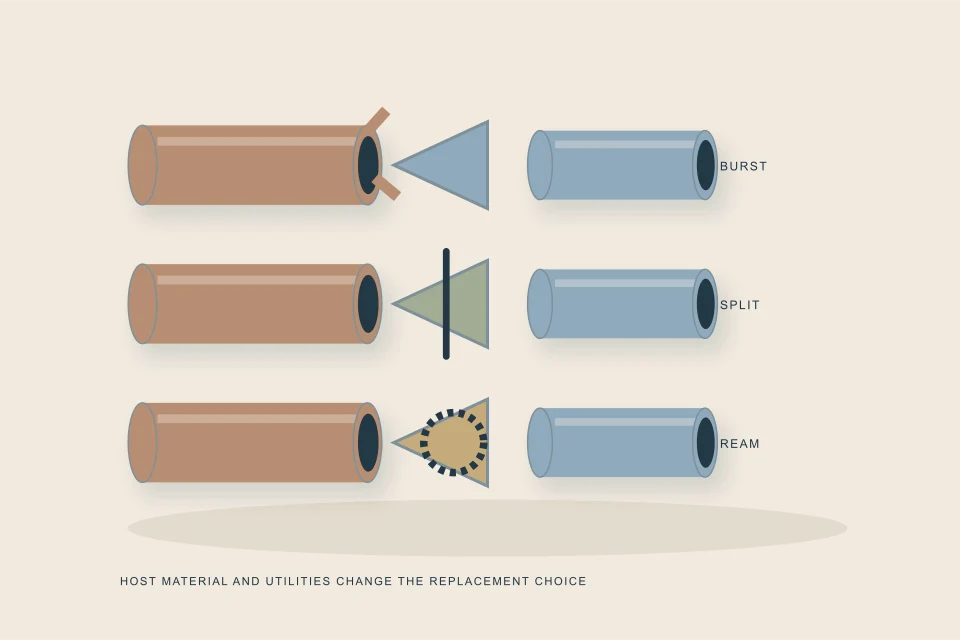
Pipe bursting, splitting and reaming: replacing a pipe on its old path
Trenchless pipe replacement compared: pneumatic, static and hydraulic bursting, pipe splitting, implosion, reaming, pipe eating and ejection, with limits.
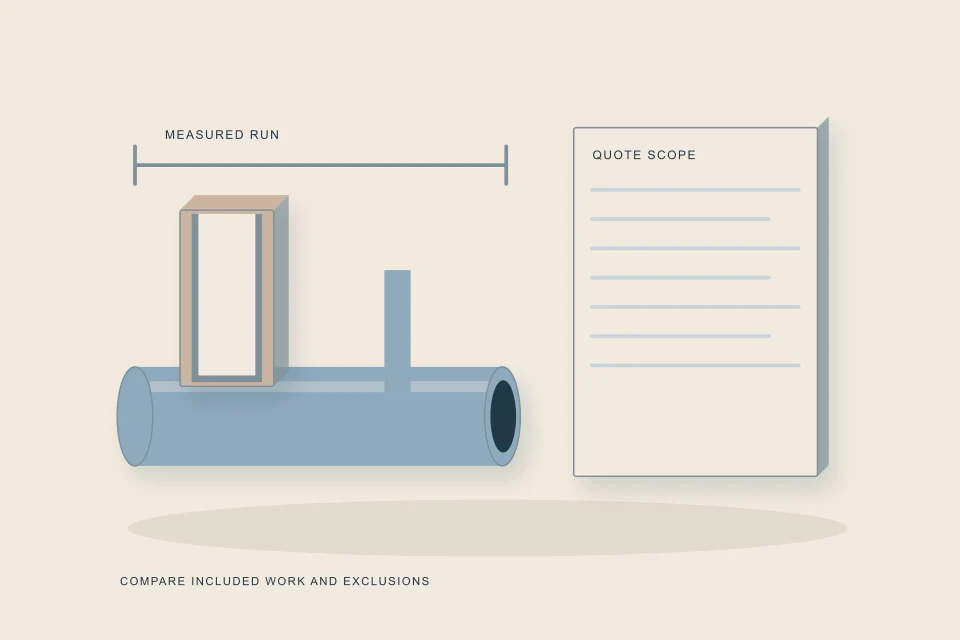
Trenchless sewer cost: 2026 planning ranges by method
Trenchless sewer cost in Canada for 2026: lining, sectional liners, bursting and open cut compared, per metre and per foot, with the lines inside a quote.
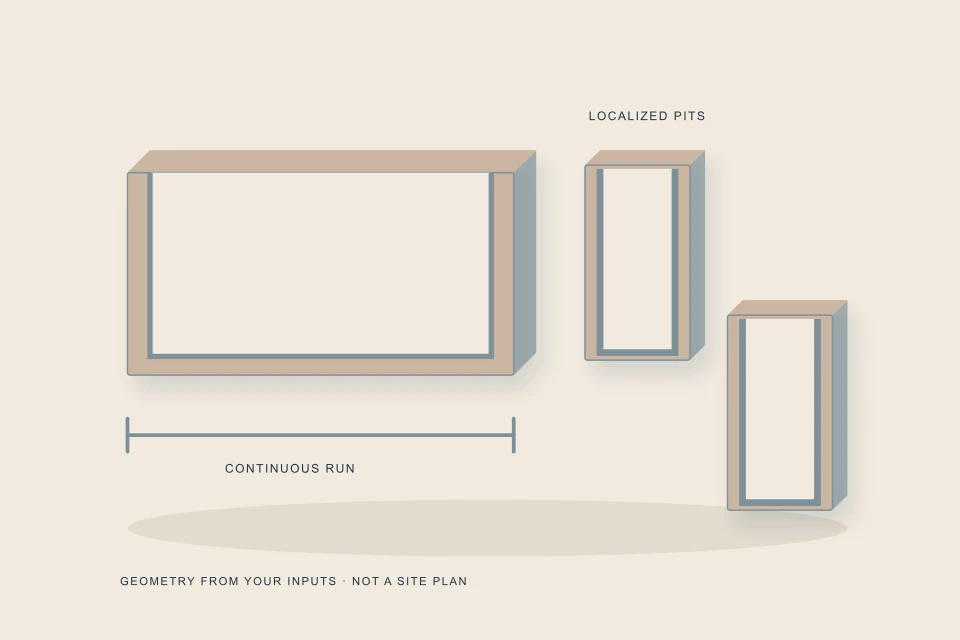
Dig vs Trenchless Disruption Calculator
Compare the ground a trench digs with the pits a trenchless method needs: excavated volume, surface opened, hard surface to rebuild and tree roots cut.
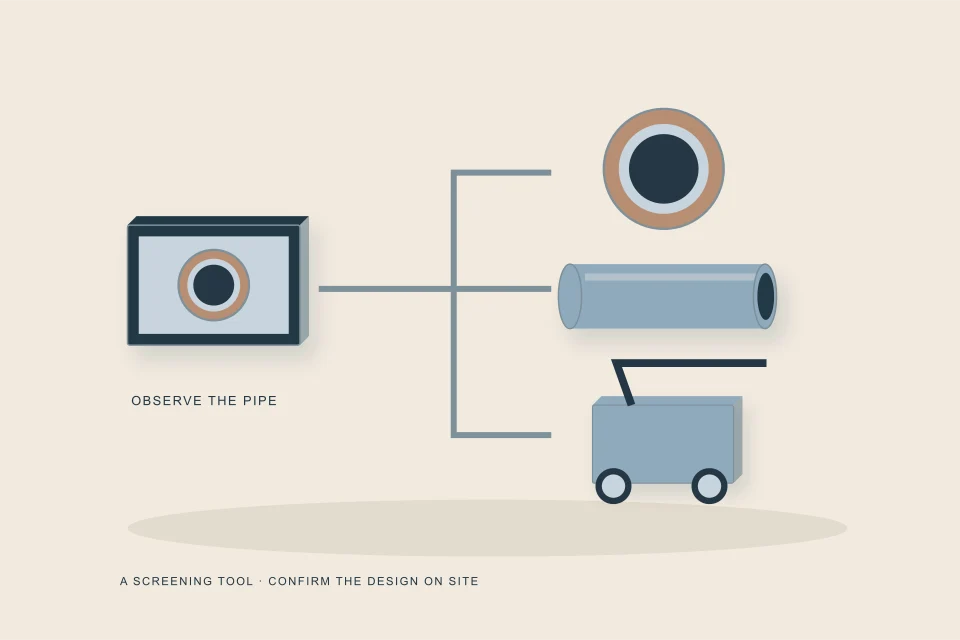
Trenchless Method Finder
Screen CIPP, slip lining, bursting, reaming, directional drilling, auger boring, ramming, microtunnelling and moling against your pipe, run and ground.
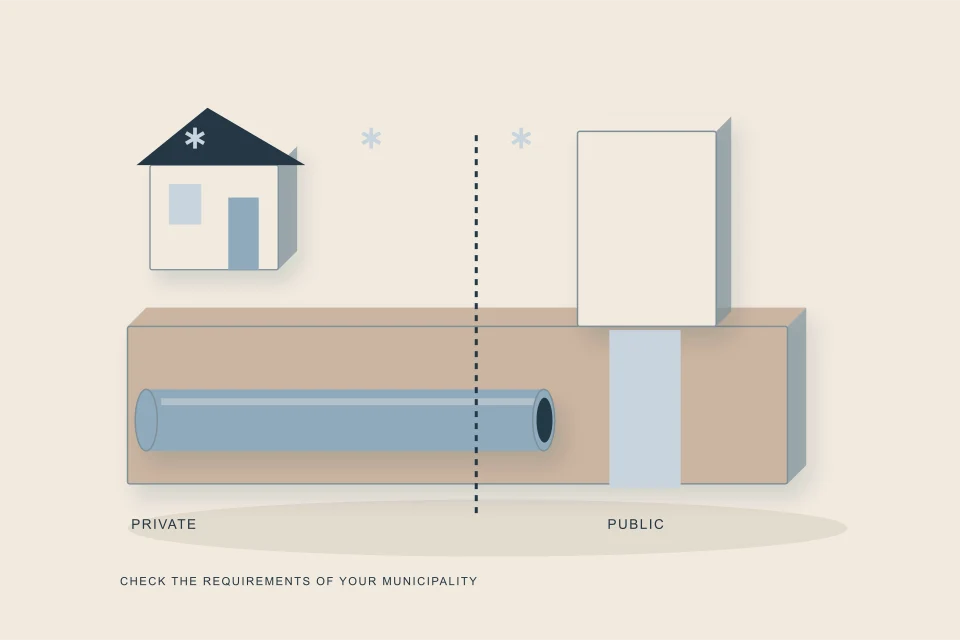
Trenchless sewer work across Canada
Trenchless sewer and water work across Canada: who owns the service line in Edmonton, Winnipeg and Calgary, locate rules, and city trenchless programs.
Frequently asked
Is trenchless the same thing as pipe lining?
No. Lining is one trenchless family. Bursting, reaming, directional drilling, auger boring and microtunnelling are also trenchless, and some of them remove the old pipe or never use it at all.
Which trenchless method is most common on houses?
For a house sewer lateral, the usual trenchless options are cured-in-place lining and pipe bursting. Small water services are often replaced by pulling or bursting, and directional drilling is used for new services on a new route.
Can every sewer be done trenchless?
No. A collapse nothing can pass, a sag holding water, or a route that must change usually needs at least one dig. Many real jobs combine a short excavation with a trenchless method for the rest.
Will a trenchless job leave any holes in my yard?
Rarely. Most methods need pits, shafts or a cleanout, and bursting or slip lining add a dig at every service connection. The ground between those points is what stays untouched.
Is trenchless always cheaper than digging?
Not always. A short, shallow run under lawn can be cheaper to dig. Trenchless tends to win as depth increases and as the surface over the pipe gets more expensive to rebuild.
Who sets the standards for trenchless work?
Installation practices are published by ASTM International, and owners such as cities add their own specifications. NASSCO runs inspection coding and trenchless training programs used by many contractors and municipalities.
Describe the problem once. Get a straight answer.
Send the symptoms and anything you already know — age of the house, what a camera found, what you have been quoted. The HAUSE Sewer desk replies with next steps and, where available, a local contractor for the job.
Sewage backing up right now? Stop using water, keep people away from the water, and do not touch electrical equipment near it.